Your Pharmacy Called! It Wants Its Spreadsheets Retired.
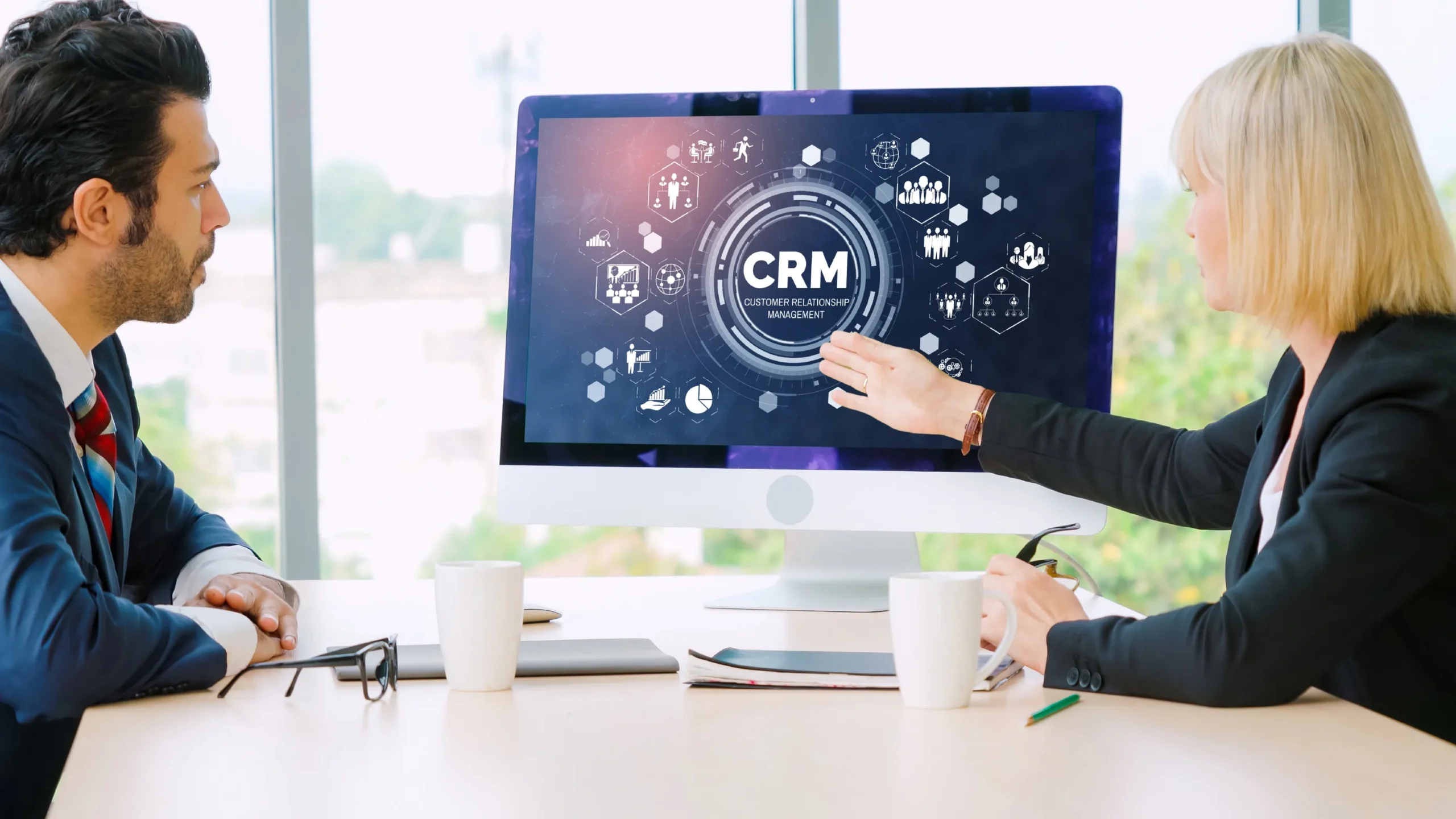
The terms “healthcare CRM software” and “hospital CRM system” are widely used terms in many healthcare organizations. Logically, these terms are used interchangeably with each other, as they are similar terms. The objective of using these terms is the same.
However, it does not necessarily mean that they are used for the same purpose or have the same objective. For example, “healthcare CRM software” may be a general term, while “hospital CRM system” may be a specific term that can be used to refer to a system for a more complex hospital environment. Platforms like PharmCRM help bridge this gap by offering solutions tailored to different healthcare needs. For purposes of comparison, it is helpful to know what system works best for your organization.
What is Healthcare CRM Software?
Healthcare CRM software is a customer relationship management software that is used for healthcare organizations. In other words, it is a software that helps healthcare organizations manage patient communication, engagement, follow-up, outreach, and visibility at different stages.
Many types of organizations use CRM software for healthcare, including:
- Hospitals
- Multi-location clinics
- Specialty practices
- Diagnostic centers
- Outpatient care providers
- Growing healthcare service organizations
The main goal is to create stronger patient relationships while making communication more organized and consistent.
What Is a Hospital CRM System?
A hospital CRM system is a hospital-focused application of CRM designed for larger care environments. It can also support communication and coordination across various departments, providers, teams, and patient touchpoints.
Because hospitals have more complex patient journeys, these systems can be designed to support various processes, such as:
- Inpatient communication
- Outpatient engagement
- Referral coordination
- Discharge follow-ups
- Department-level communication tracking
- High volume patient outreach
In short, it is a more specialized CRM model for hospital-scale operations.
Hospital CRM vs Healthcare CRM: The Core Difference
The most basic way to define the core difference between hospital CRM and healthcare CRM is that a healthcare CRM is a general term, whereas a hospital CRM is a specific type of CRM within that general definition.
A general CRM software for healthcare systems may be perfectly suitable for different healthcare organizations that require communication, follow-up, and relationship management.
A hospital-specific CRM, on the other hand, is usually designed for:
- Larger patient volumes
- More departments and care teams
- More complex referral and discharge workflows
- Greater coordination across services
- Deeper operational visibility
The difference is not based on the fact that one is healthcare-focused and the other is not. The difference is based on scale, complexity, and usage.
Key Similarities Between Hospital CRM and Healthcare CRM
Despite the fact that there is a difference between hospital CRM and healthcare CRM, there are some similarities in terms of the advantages that can be obtained from using these two types of CRM. The advantages include the fact that they can enhance communication with patients.
Common similarities include:
- Support for patient communication and engagement
- Better follow-up visibility
- Improved care coordination
- Workflow support across scheduling and outreach
- More connected patient records and interactions
Both can also contribute to a stronger patient management system by helping teams stay organized and responsive.

In many organizations, both can also support a wider healthcare management system by improving how communication fits into day-to-day operations.
Key Differences Between Hospital CRM and Healthcare CRM
Scope of Use
A hospital CRM system is usually developed for hospitals and larger healthcare systems that require managing the communication aspects in a larger and layered healthcare environment.
A larger healthcare CRM software system could be a better solution for clinics, specialty providers, and smaller healthcare organizations that do not require the level of workflow seen in a hospital environment.
Workflow Complexity
There are more transitions, departments, and handoffs in a hospital. This implies that a hospital CRM system may need to support more advanced forms of communication.
A less demanding or lighter weight of a CRM system for healthcare solutions could be based on outreach, reminders, relationships, and communication.
Patient Volume and Coordination Needs
There are a lot of patients in a hospital setting, and a hospital has a lot of “moving parts” in terms of admissions, inpatient care, discharges, and follow-up care.
The smaller organization may need a more streamlined system of patient management.
Integration Requirements
Hospital environments often need deeper integration with EHRs, internal departments, billing systems, and enterprise tools.
Other healthcare organizations may still need integration, but the focus may be more on communication, scheduling, and relationship workflows rather than full hospital operations.
Where Patient Management Systems Fit In
A patient management system usually focuses more on operational and administrative workflows. That can include scheduling, intake, records access, task tracking, and day-to-day patient flow.
There is often overlap between CRM and patient management, but they are not always the same. In many cases:
- CRM is more relationship and communication-focused
- Patient management is more process and workflow-focused
That distinction matters because some organizations need both, while others need one platform that combines elements of each.
How Healthcare Management Systems Relate to CRM
A healthcare management system is a broader term that can include administration, operations, scheduling, billing, reporting, and care coordination tools.
Within that bigger picture, Healthcare CRM software may serve as one important layer. It helps manage communication, engagement, and relationship-building, while the larger management system handles the wider operational side of the organization.
These platforms do not always compete with each other. In many cases, they work best together.
Which Solution is Right for Your Organization?
The choice of solution depends on how your organization works, how complex your processes are, and what type of patient communication experience you want to deliver.
A dedicated hospital CRM solution may be more appropriate if your organization has:
- Multiple departments
- High patient volume
- Complex referral and discharge workflows
- Enterprise integration needs
- Large-scale coordination across teams
A broader CRM software for healthcare may be the better fit if your organization is:
- A clinic or specialty practice
- A growing healthcare business
- Focused on communication and engagement
- Looking for easier implementation
- Needing flexibility without hospital-level complexity
It is also important to look at how the CRM fits into your larger healthcare management system so your tools support each other instead of creating more silos.

Conclusion
At a high level, healthcare CRM software is the broader category, while a hospital CRM system is often the more specialized use case. Both help improve communication, coordination, and engagement, but they are built for different levels of operational complexity.
The best option for you would depend upon the nature of your organization’s structure, care delivery model, and growth strategy. If you have a more complex process with a hospital-driven approach, a specialized CRM might be the best bet. If you have a broader need with a lot of flexibility, a lighter solution might be the way to go.
The key is finding a solution that offers both patient experience and operational efficiency without adding complexity to your team.
FAQs
Is healthcare CRM software only for hospitals?
No. Healthcare CRM software can be used by hospitals, clinics, specialty practices, and other healthcare organizations that want better communication and patient engagement.
What is the main difference between CRM software for healthcare and a hospital CRM system?
CRM software for healthcare is the broader category, while a hospital CRM system is usually built for larger and more complex hospital environments.
How does a healthcare management system differ from a CRM?
A healthcare management system usually covers broader operational functions like scheduling, billing, and administration, while CRM focuses more on communication, engagement, and relationship management.