Your Pharmacy Called! It Wants Its Spreadsheets Retired.

Route optimization helps pharmacies plan smarter delivery routes, reduce costs, improve on-time performance, and provide real-time tracking for patients. This blog explains how route optimization supports prescription shipment management, enhances delivery efficiency, and improves the overall patient experience.
Pharmacy deliveries were once a convenience. By 2026, they will be an integral part of the patient journey for those with chronic illnesses, for senior citizens and those requiring specialty treatment who rely on timely availability of medications. The standards now are same-day or next-day expectations, with real-time updates like any other delivery service.
The challenge is that pharmacies are facing more stops, tighter delivery windows, and stricter compliance requirements, all while trying to keep costs under control. That is why pharmacy delivery tracking has become a core capability, not an add-on. When route optimization is paired with pharmacy delivery tracking, delivery stops being a daily scramble and becomes a reliable service line your team can run with confidence.
What “route optimization” means in a pharmacy delivery context
Route optimization is the process of planning the most efficient delivery route based on real constraints, not guesses.
In a pharmacy delivery context, those constraints often include:
- Number of stops and delivery zones
- Time windows (morning-only, after-work, facility drop-offs)
- Driver capacity and shift limits
- Traffic patterns and distance
- Priority deliveries (post-discharge, time-sensitive meds)
Route optimization is not the same as “GPS directions.” The GPS device informs a driver about the best way to travel from point A to point B. On the other hand, route optimization involves planning an entire day of several destinations that a driver is to visit.
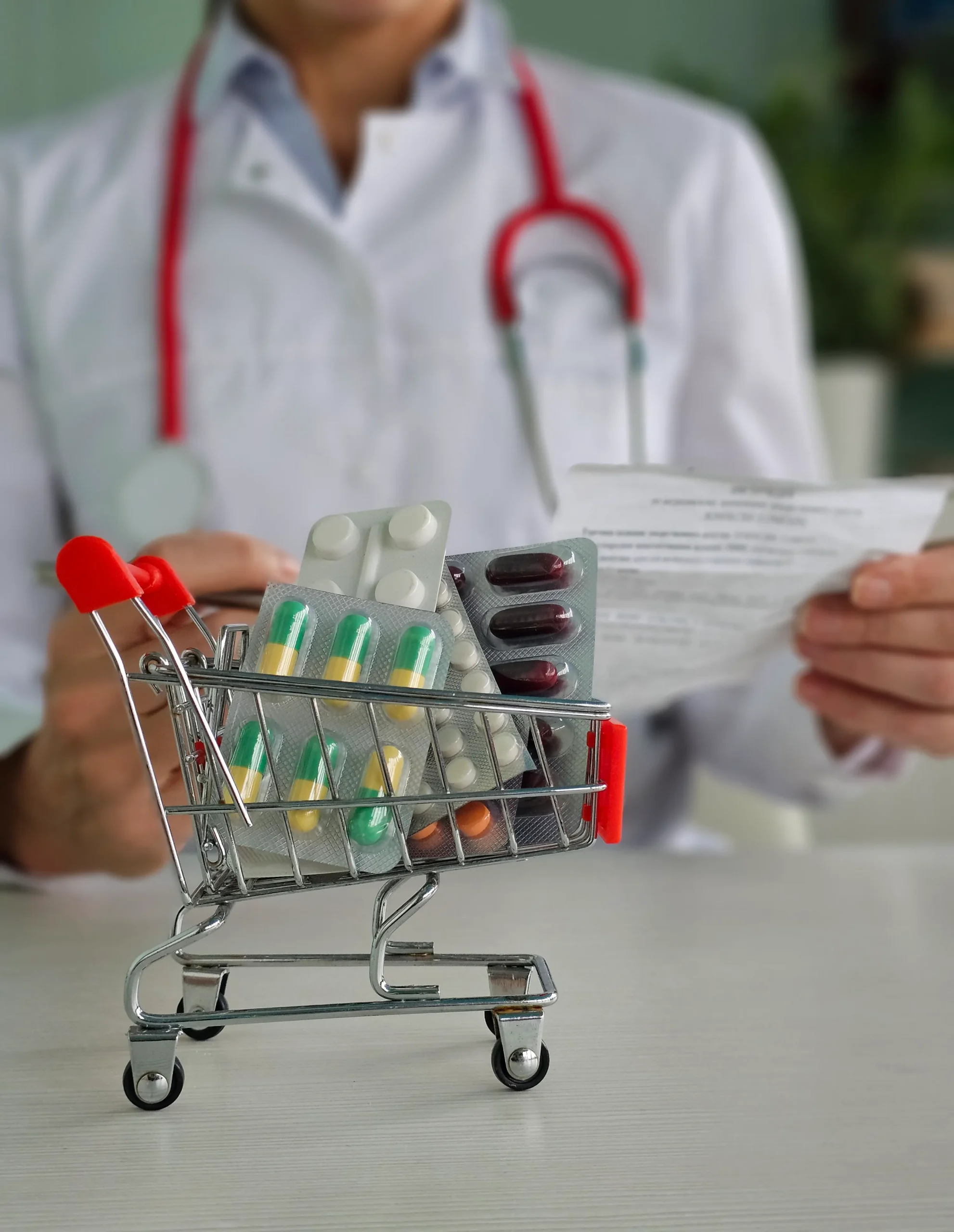
This is usually incorporated in the pharmacy logistics system.
The operational problems pharmacies face without route optimization
Without route optimization, delivery operations tend to run on manual dispatching, phone calls, and last-minute adjustments. That creates predictable problems.
Common issues include:
- Missed delivery windows and repeat attempts
- Inefficient driver utilization (too many miles, uneven loads)
- Manual dispatching and constant “where are you now?” calls
- Limited visibility when patients ask, “Where is my prescription?”
- Higher risk for temperature-sensitive or time-critical deliveries (where applicable)
This is where prescription shipment management becomes a bigger-picture issue. It is not just routing. Itis an end-to-end process that includes planning, dispatch, proof of delivery, and exception handling.
The role of route optimization: what it improves (and why it matters)
1. Faster deliveries with fewer miles
Route optimization improves speed by sequencing stops more intelligently and reducing deadhead miles (driving without a delivery).
What improves:
- Smarter stop sequencing
- Better same-day coverage
- Fewer late deliveries caused by poor planning
2. Lower delivery costs without cutting service
When routes are planned well, costs drop naturally without reducing service quality.
Cost savings typically come from:
- Fuel savings
- Fewer overtime hours
- Fewer re-deliveries and repeat attempts
- Better capacity planning (right drivers, right routes, right volume)
3. More reliable ETAs and better patient communication
Patients do not just want delivery; they want certainty. Route optimization supports more accurate ETAs, and pharmacy delivery tracking turns those ETAs into real-time updates.
The result:
- Automated ETA updates
- Fewer inbound “status check” calls
- Better patient trust because communication is proactive
4. Better chain-of-custody and accountability
Delivery is also about accountability, especially when medications are time-sensitive or regulated.
Route optimization paired with tracking can support:
- Proof of delivery
- Timestamps and status history
- Driver notes, photos, signatures (as applicable)
- Clear audit trails and fewer disputes
Key use cases for modern pharmacy delivery services
Route optimization matters even more when delivery models get complex.
Common use cases:
- Scheduled recurring deliveries (maintenance meds)
- On-demand or urgent deliveries (post-discharge, acute meds)
- Specialty therapy deliveries with tighter constraints
- Multi-location pharmacy networks (hub-and-spoke models)
- Courier or 3PL partnerships (outsourced fleets)
What to look for in pharmacy logistics software (route optimization checklist)
If delivery is a serious service line, your tools need to support real-world constraints and exceptions.
Checklist:
- Constraint-based routing (time windows, priority flags, capacity)
- Real-time pharmacy delivery tracking with live ETAs
- Exception management (failed delivery, address issues, patient unavailable)
- Proof of delivery and chain-of-custody features
- Driver app usability (navigation, scanning, status updates)
- Reporting dashboards (on-time rate, cost per stop, miles per route)
- Integrations that support prescription shipment management end-to-end
(order creation → dispatch → completion)
How route optimization supports prescription shipment management end-to-end
Route optimization is most valuable when it is part of a full delivery workflow, not a standalone map.
A practical end-to-end model:
- Order intake and batching rules: group deliveries by zone, priority, time window
- Route planning and dispatch: assign routes based on capacity and constraints
- In-transit visibility: live status updates and proactive patient notifications
- Delivery completion: proof of delivery and completion timestamps
- Returns and re-delivery workflows: exception codes, reschedule steps, documentation
That is what strong prescription shipment management looks like in daily operations.
KPIs to measure ROI (and prove operational improvement)
If you want leadership buy-in, measure outcomes that show efficiency and patient impact.
Key KPIs:
- On-time delivery rate
- First-attempt delivery success rate
- Cost per delivery and cost per stop
- Miles per route and stops per hour
- Patient satisfaction signals (delivery complaints, NPS signals)
- Call volume reduction (“Where is my prescription?”)
Implementation plan: introduction of route optimization without disruptions
A step-by-step implementation will allow avoiding disruptions and faster adaptation to new procedures.
Week 1- 2: Mapping the delivery zones and constraints
Week 3–4: Pilot one route or region, standardize statuses and exception codes
Week 5–8: Expand to all routes, add patient notifications and reporting
Ongoing: Tune constraints based on real-world data (traffic patterns, peak days, facility schedules)

Conclusion
Route Optimization is no longer an option if Pharmacy Delivery is part of your patient experience. It brings about efficiency, visibility, and reliability while cutting down the daily chaos that eats into staff time.
The bottom line is quite clear: once your delivery is predictable, the pharmacy staff can concentrate on caring for their patients.
FAQs
1) What is pharmacy delivery tracking, and why does it matter?
Pharmacy delivery tracking is real-time visibility into delivery status and ETAs. It matters because it reduces patient uncertainty, cuts inbound calls, and improves accountability.
2) How is route optimization different from using GPS?
GPS gives directions for a single trip. Route optimization plans the full route across multiple stops, time windows, and capacity constraints, and can adjust when conditions change.
3) What is prescription shipment management in a pharmacy?
Prescription shipment management is the end-to-end process of managing deliveries from order creation to dispatch, tracking, proof of delivery, and exception handling.
Optimize Every Route. Deliver Every Prescription with Confidence.
Streamline pharmacy deliveries with smarter routing, real-time tracking, and reliable patient updates.